
I Was a Passenger in a Rideshare Crash: Do I Sue My Driver or the Other Car?
Home » I Was a Passenger in a Rideshare Crash: Do I Sue My Driver or the Other Car?
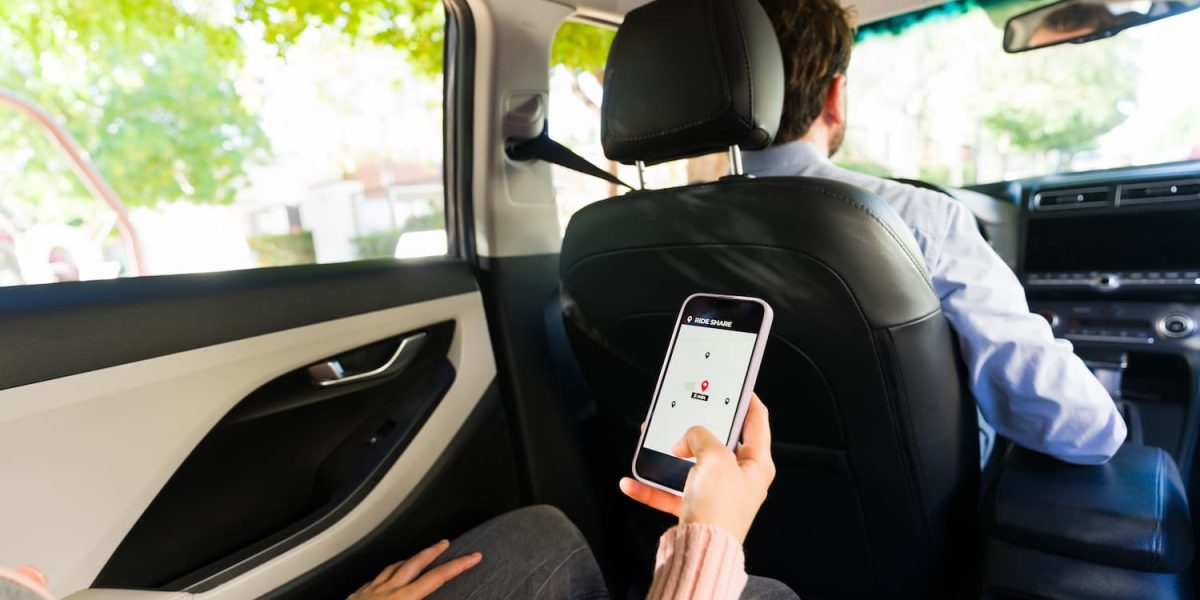
Rideshare passenger injury rights in California do not require you to choose one driver over the other. When a crash involves a rideshare vehicle and another car, a passenger injured in that collision may pursue claims against both drivers simultaneously.
That is not aggressive legal strategy. It is the correct application of California law to a situation where the passenger bore zero fault for what happened and two separate parties may have contributed to causing it.
The answer to who pays depends on which driver or drivers caused the crash, how much coverage each carries, and how those policies interact with each other. In Orange County, where emergency room costs, specialist fees, and rehabilitation expenses rank among the most expensive in California, accessing every available source of compensation is not optional.
It is the difference between a recovery that covers what the injury actually costs and one that leaves the injured passenger managing the gap.
Passengers in rideshare accidents occupy the strongest possible legal position. They made no driving decisions. They contributed nothing to the collision. That status as a wholly innocent party shapes every aspect of how a claim is built and what it can ultimately recover.
Reach out to an Orange County rideshare accident lawyer to protect your rights and maximize your recovery today.
Rideshare Passenger Injury Rights
- Passengers are zero percent at fault: A rideshare passenger has no control over the vehicle and no role in causing the collision. That status removes the comparative fault arguments that defendants use to reduce compensation for drivers involved in the same crash.
- Both drivers can be named as defendants: California law permits a passenger to pursue claims against every party whose negligence contributed to the crash. Suing both the rideshare driver and the other vehicle’s driver is not only permitted, it is often the approach that produces the most complete recovery.
- Two separate insurance policies may apply: The rideshare company’s commercial policy and the at-fault driver’s auto liability policy are independent sources of compensation. Accessing both requires understanding how each policy’s coverage is triggered and what the rideshare platform’s policy actually covers at the time of the crash.
- The innocent passenger doctrine strengthens the claim: California courts recognize that a passenger who played no role in causing an accident should not have their compensation reduced based on disputes between the drivers. That principle protects the passenger’s recovery regardless of how fault is apportioned between the two defendants.
- Joint and several liability may apply: When both drivers contributed to causing the injury, California’s joint and several liability rules for economic damages may allow the injured passenger to recover the full amount of economic losses from either defendant, regardless of how fault is divided between them.
Why Passengers Are in the Strongest Legal Position After a Rideshare Crash
California’s personal injury system is built around comparative fault. Every driver involved in a collision carries some potential share of responsibility for their own conduct behind the wheel. Passengers carry none.
A person sitting in the back seat of a Lyft had no input on the speed the driver chose, the lane they were in, whether they checked their mirrors, or how they responded to the other vehicle. The crash happened to them.
That distinction produces a legal position that is qualitatively different from anything either driver can claim. When defense attorneys and insurance adjusters look for ways to reduce what they owe, the first tool they reach for is comparative fault. With a passenger, that tool does not exist. The only question is which drivers were responsible and to what degree.
How the Innocent Passenger Doctrine Protects Your Recovery
California courts have long recognized that a passenger who played no role in causing an accident should not have their compensation reduced as a result of disputes between the parties who did.
The innocent passenger doctrine reflects that principle in practice. When both the rideshare driver and the other driver bear some share of responsibility for the crash, the injured passenger’s right to full compensation is not diminished by how fault is divided between them.
This matters because insurance companies for each defendant will argue that the other driver caused the accident. The rideshare company’s insurer points at the other car. The other driver’s insurer points at the rideshare driver.
The passenger watches that dispute from a legally protected position, because under California’s joint and several liability rules for economic damages, each defendant may be responsible for the full amount of the passenger’s economic losses regardless of how fault is ultimately allocated between them.
Suing Both Drivers in California: How It Works
Filing claims against both the rideshare driver and the other vehicle’s driver is not a procedural technicality. It is the mechanism that gives an injured passenger access to every available source of compensation rather than limiting recovery to whichever single policy happens to be most accessible.
In California, a plaintiff may bring a civil action against every party whose negligence contributed to their injuries.
When a crash involves two drivers and an injured passenger, both drivers are potential defendants. Each is evaluated on their own conduct, and each carries their own insurance policy. The legal process that determines how fault is allocated between them does not cap what the passenger can recover from the combined available coverage.
How Fault Is Allocated Between the Two Drivers
During litigation or settlement negotiations, the relative fault of each driver is evaluated based on the evidence: traffic camera footage, witness accounts, skid mark analysis, event data recorder downloads, and the responding officer’s documentation.
One driver may be found primarily responsible. Both may share fault. The specific allocation affects what each driver’s insurer owes in proportion to their client’s share of responsibility.
What it does not affect is the passenger’s total recoverable damages. The innocent passenger’s claim is evaluated based on the full scope of their injuries and losses, not on the outcome of the fault dispute between the two drivers.
Understanding the Rideshare Insurance Layers
Uber and Lyft maintain commercial insurance policies that apply to passengers injured during active rides, but the coverage available depends on the driver’s status at the time of the crash. California law and the rideshare platforms’ own policies create a layered coverage structure that varies depending on whether the driver had the app on, had accepted a ride, or had a passenger in the vehicle.
When a passenger is actively in the vehicle and the trip is in progress, both Uber and Lyft maintain substantial commercial liability coverage under California Public Utilities Code Section 5433, which governs transportation network companies operating in the state. That coverage applies to injuries sustained by passengers during the trip regardless of which driver caused the crash.
Stacking Insurance Policies for Maximum Coverage
When both drivers share fault for a crash, an injured passenger may access compensation from multiple policies. The rideshare company’s commercial policy covers injuries caused by or involving the rideshare driver during an active trip.
The at-fault driver’s personal auto liability policy covers harm caused by their own negligence. In cases where either policy’s limits are insufficient to cover the full extent of the injuries, underinsured motorist coverage may provide additional compensation.
Stacking insurance policies in this context means identifying every applicable policy, understanding its limits and trigger conditions, and pursuing each one in the sequence and combination that produces the most complete recovery.
That process requires a thorough understanding of how commercial rideshare coverage interacts with personal auto policies and how California’s rules for underinsured motorist claims apply when multiple defendants are involved.
Orange County Medical Costs and Why Full Coverage Matters
The practical significance of accessing multiple insurance policies is felt most directly when the injured passenger faces the medical bills that follow a serious crash. Orange County’s hospital systems, trauma centers, and specialist networks produce some of the highest medical billing rates in California.
A single emergency department visit, surgery, and course of physical therapy can generate costs that exhaust a minimum liability policy before long-term care needs are even addressed.
A passenger who limits their claim to a single driver’s insurance policy, particularly if that driver carries minimum coverage, may find that the available compensation runs out well before the documented costs do.
Pursuing claims against both drivers and accessing the rideshare company’s commercial coverage alongside the at-fault driver’s personal policy creates a much larger pool of potential compensation relative to what any single minimum-limit policy can provide.
How Long-Term Injuries Change the Calculation
Rideshare crashes that produce serious injuries, including traumatic brain injuries, spinal injuries, and fractures requiring surgical intervention, generate costs that extend far beyond the immediate treatment period.
Future medical expenses, lost earning capacity, and ongoing rehabilitation needs all factor into a complete damages calculation. Accessing every available policy from the beginning of the claim is what makes it possible to pursue compensation that reflects the true long-term cost of the injury rather than what fits within the limits of a single policy.
FAQ for Rideshare Passenger Injury Rights
Does it matter which rideshare company I was using when the accident happened?
Uber and Lyft both operate under California’s transportation network company regulations and maintain commercial insurance policies that cover passengers during active trips. The specific policy terms differ between platforms, and the coverage available at various stages of the driver’s trip may vary. The identity of the rideshare company affects which policy is accessed and under what terms, but it does not change the fundamental right of an injured passenger to pursue compensation.
What if the rideshare driver was at fault but the other driver had no insurance?
The rideshare company’s commercial policy may include uninsured motorist coverage that applies to passengers. California requires transportation network companies to maintain UM coverage for passengers, which means an uninsured at-fault driver does not necessarily eliminate the passenger’s right to full compensation. The rideshare policy is examined for applicable coverage before the injured passenger is left to absorb what an uninsured defendant cannot pay.
Can I still pursue a claim if I did not go to the hospital immediately after the crash?
Delayed medical treatment creates documentation gaps that insurance companies use to argue that the injuries were not caused by the accident or were less severe than claimed. It does not eliminate the right to pursue a claim, but it makes thorough documentation of the connection between the crash and the injuries more important.
Medical records that establish a clear link between the accident and the diagnosed conditions, even when treatment began after a delay, support the claim despite the gap.
What if I signed something at the scene or gave a recorded statement to the insurance company?
Statements made at the scene or to insurance adjusters in the immediate aftermath of a crash may be used to limit the claim later. If a recorded statement has already been given, the content of that statement becomes part of the evidentiary record that the legal team works with. It does not prevent the pursuit of a claim, but it underscores why retaining legal representation before any further contact with insurance companies is important.
Does the rideshare company's insurance cover me if the driver was not logged into the app at the time of the crash?
No. The rideshare company’s commercial coverage is only triggered when the driver is active on the platform. A driver who was using their personal vehicle outside of an active rideshare session is covered only by their personal auto policy during that period. Verifying the driver’s app status at the time of the crash is one of the first factual questions in evaluating which policies apply.
Two Policies Are Better Than One
An injured rideshare passenger holds a legal position that most personal injury claimants do not: zero fault, access to a commercial insurance policy, and the right to pursue every driver whose negligence contributed to the crash.
That position is worth protecting from the first conversation with an insurance adjuster to the last negotiation before resolution.
Reach out to Aghnami Law Group, trusted Orange County personal injury lawyers, to talk through what happened, who was involved, and how accessing both insurance policies can impact your recovery.